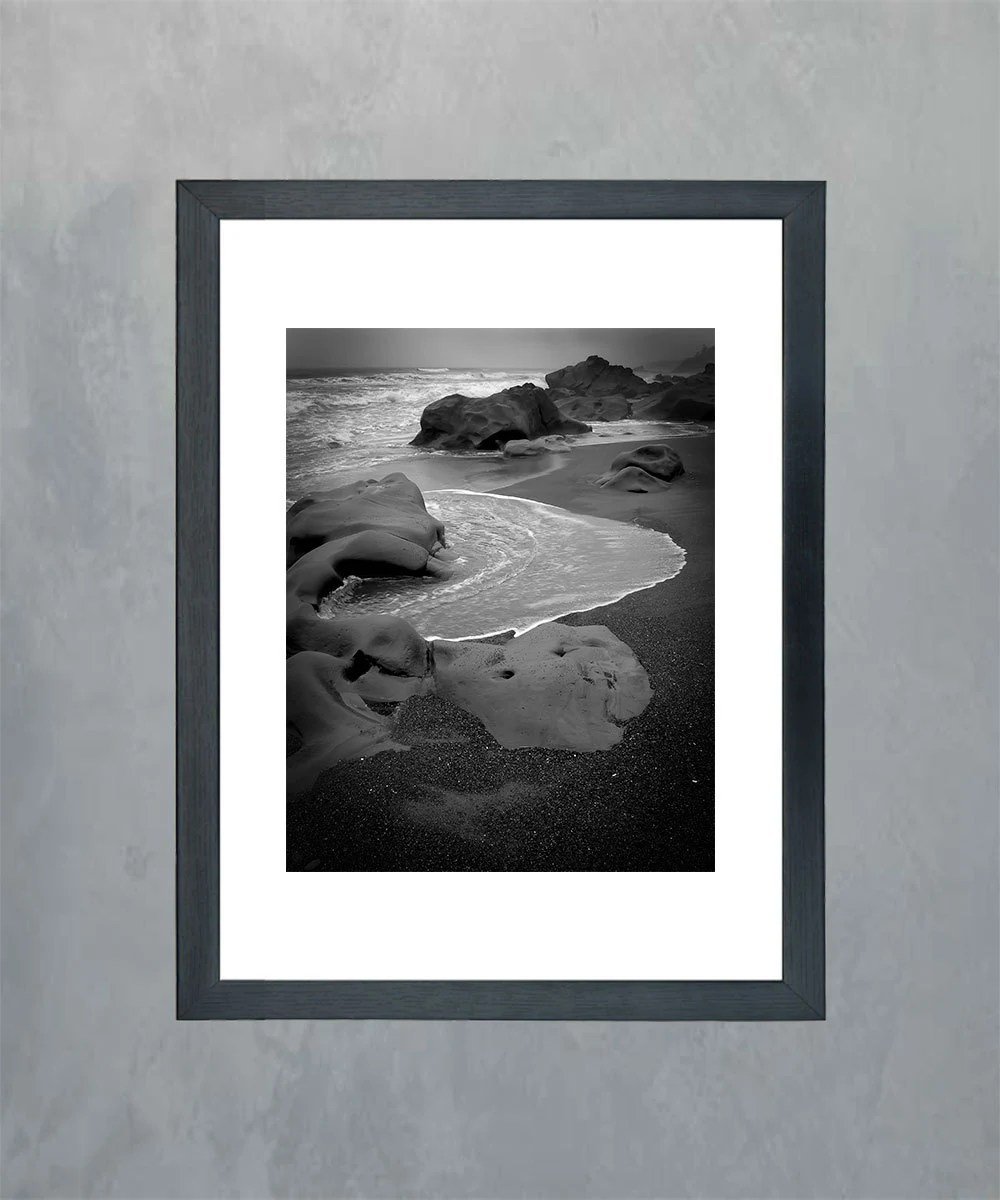
Imagine the Pacific's mighty roar, the golden kiss of a sunset painting dramatic cliffs, or the ethereal mist shrouding ancient redwoods. California isn't just a state; it's a living, breathing canvas for anyone passionate about Coastal Photography & Scenic Beauty. From its sun-drenched southern beaches to the rugged, redwood-laced northern shores, and even its majestic interior landscapes, this state offers an unparalleled diversity that can challenge and inspire even the most seasoned photographer.
You're not just taking pictures here; you're capturing moments where raw nature, iconic landmarks, and shifting light converge to create pure magic. This guide isn't about telling you what to shoot, but how to approach California's legendary landscapes, arming you with the knowledge to create truly unforgettable images.
At a Glance: Your California Photography Checklist
- Diverse Landscapes: Explore everything from dramatic coastlines and mist-shrouded forests to stark deserts and alpine lakes.
- Optimal Timing is Key: Understand how seasons, tides, sunrise/sunset, and even fog can transform a scene.
- Gear Up: A sturdy tripod, wide-angle lens, telephoto lens, and filters (ND, polarizer) are your best friends. Don't forget protection from sand and salt!
- Composition Matters: Utilize leading lines, foreground interest, and the rule of thirds to craft compelling images.
- Beyond the Golden Hour: Embrace blue hour, night photography, and even midday light in specific conditions (e.g., forests, waterfalls).
- Respect & Preserve: Always practice "Leave No Trace" and be mindful of wildlife and local regulations.
- Plan Ahead: Especially for popular spots like Big Sur or Yosemite; check weather, road conditions, and park hours.
Why California? A Photographer's Paradise
California’s coastline stretches a staggering 840 miles, a ribbon of diverse ecosystems and iconic landmarks that have captivated artists for generations. But the state’s appeal for scenic photography extends far beyond the ocean's edge. Think towering Sierra Nevada peaks, the mystical silence of redwood forests, or the stark, otherworldly beauty of its deserts. This incredible variety means you can spend a week here and capture everything from crashing waves to star-strewn desert skies, all within a reasonable drive.
What truly sets California apart is the dynamic interplay of light, terrain, and atmospheric conditions. Coastal fog can lend an ethereal quality, while the clear desert air reveals every star. Each region presents its own unique challenges and rewards, transforming a simple photo trip into an epic adventure.
Mastering the Light: Essential Coastal & Scenic Photography Tips
Before we dive into specific locations, let's touch upon some fundamental techniques that will elevate your photography across California’s diverse landscapes. Knowing how to manipulate light and compose your shots effectively is paramount, whether you're by the ocean or deep in the mountains.
Chasing the Perfect Light: Golden Hour, Blue Hour, and Beyond
Every photographer knows about "golden hour"—the magical period just after sunrise or before sunset when light is soft, warm, and produces long, pleasing shadows. This is absolutely prime time for coastal photography, casting a beautiful glow on cliffs and waves, and often creating dramatic skies. It's the ideal moment for mastering golden hour and capturing those iconic, postcard-perfect shots.
Don't overlook "blue hour," either. This short window immediately before sunrise or after sunset offers a cool, tranquil light that's fantastic for cityscapes, twilight seascapes, or adding a moody feel to your coastal scenes. Even midday can work if you're shooting in a redwood forest where the light is dappled, or for capturing intense blue skies over the ocean with the right filters.
Harnessing the Motion: Long Exposures & Water
The Pacific Ocean is rarely still, and that constant motion is a powerful photographic element. By using long exposure techniques, you can transform choppy waves into silky smooth water, or turn dramatic crashing surf into ethereal mist. You'll need a sturdy tripod and often a neutral density (ND) filter to achieve these effects, especially during brighter conditions. This technique is particularly effective for capturing the dreamy quality of incoming tides around sea stacks or piers.
Think beyond just water, too. Long exposures can blur passing clouds, adding dynamism to your skies, or even capture star trails in clear desert nights. The key is to experiment with different shutter speeds to find the effect that best conveys the emotion of the scene.
Crafting Your View: Composition and Foreground Interest
Composition is the backbone of a strong photograph. While there are guidelines like the rule of thirds, leading lines, and framing, the goal is always to create a visually engaging image that guides the viewer's eye. On the coast, use driftwood, interesting rocks, tide pools, or even sand patterns as foreground elements to add depth and context to your sweeping seascapes.
Consider negative space—the areas around your main subject—and how it contributes to the overall feeling. Sometimes, less is more. For landscapes with expansive views, ensure there's something compelling in the foreground, mid-ground, and background to give your image layers and a sense of scale.
Weathering the Elements: Fog, Wind, and Sea Spray
California's weather, especially along the coast, is a character unto itself. Fog can roll in unexpectedly, transforming a vibrant scene into a moody, mysterious landscape. Instead of packing up, embrace it! Fog diffuses light beautifully, reduces contrast, and can simplify compositions. Wind, while challenging for stability, can add dramatic movement to clouds or vegetation.
Salt spray and sand are your gear’s worst enemies. Always have a lens cloth and a protective cover for your camera. A UV filter can also act as a sacrificial layer against splashes.
Your Essential Toolkit: Gear That Makes a Difference
A good camera body is just the start. When choosing the right lens for coastal and scenic photography, a wide-angle lens (14-24mm equivalent) is indispensable for expansive vistas and capturing the grand scale of the landscape. A mid-range zoom (24-70mm) is versatile for more specific compositions, and a telephoto (70-200mm or longer) will help you isolate distant features, capture wildlife, or compress perspectives.
Beyond lenses, a sturdy tripod is non-negotiable for sharp images in low light or for long exposures. Filters (polarizer to reduce glare and enhance skies, ND filters for long exposures, graduated ND filters for balancing bright skies with darker foregrounds) are also crucial. Don't forget extra batteries, a remote shutter release, and cleaning supplies.
Southern California: Sun-Drenched Shores & Desert Dramas
Southern California is synonymous with sunshine, iconic beaches, and a vibrant energy. But beneath the surface lies a diverse photographic landscape, from dramatic cliffs and surf shacks to otherworldly desertscapes.
San Diego's Coastal Gems: Where Pacific Sunsets Ignite
San Diego’s coastline is a treasure trove. Sunset Cliffs Natural Park lives up to its name, offering breathtaking vantage points for watching the sun dip into the Pacific. The interplay of crashing waves against the sandstone cliffs, especially with wildflowers blooming in spring, provides endless compositional opportunities. Look for sea caves and arches carved by the ocean for unique foreground elements.
Just north, La Jolla boasts several iconic spots. The Windandsea Surf Shack is a weathered, beloved landmark that embodies the relaxed surf culture. It's fantastic at golden hour or even under dramatic skies. A short drive away, the Ellen Browning Scripps Memorial Pier (Scripps Pier) is arguably Southern California’s most photogenic pier. Try shooting from underneath at low tide, especially after sunset, when the receding waves create abstract patterns around the pilings. Don't forget the La Jolla Tide Pools at low tide for intricate macro shots, and the dramatic bluffs of Torrey Pines State Natural Reserve for sweeping ocean views and rugged trails.
Malibu's Iconic Beaches: Where Hollywood Meets the Ocean
Malibu offers a quintessential Southern California vibe with its stunning beaches and celebrity homes. For photographers, El Matador State Beach is a must-visit. Its sea stacks, rock formations, and small caves create incredible frames, especially at sunset. The light here can be truly magical as it filters through the arches.
Further along, Point Dume State Preserve offers elevated views of the coastline, perfect for capturing the sweeping curves of the Pacific. At Leo Carrillo State Park, you'll find more sea caves and tide pools, providing intimate coastal details amidst the broader landscapes.
Beyond the Coast: Joshua Tree National Park
While not coastal, Joshua Tree National Park (about 2.5 hours east of Los Angeles) is an essential stop for any scenic beauty photographer visiting Southern California. It’s one of the best places for night photography, with dark skies revealing a stunning Milky Way. The park's unique Joshua trees, massive rock formations, and cholla cactus gardens create surreal landscapes unlike anywhere else. Plan to visit between November and March to avoid extreme summer heat, and keep an eye out for rare "superblooms" of wildflowers after heavy winter rains.
Other Notable SoCal Spots: Consider Laguna Beach for its coves and art scene, or the classic Santa Monica Pier for that iconic Ferris wheel silhouette at twilight.
Central California: Rugged Majesty & Marine Wonders
The central coast is where California’s dramatic beauty really begins to unfold, characterized by towering cliffs, winding roads, and a vibrant marine ecosystem.
Big Sur: The Legendary Stretch
Big Sur is arguably the most famous and breathtaking stretch of coastline in California, if not the world. This two-hour drive from San Simeon to Monterey is a photographer’s dream, featuring sheer cliffs plunging into the Pacific, ancient redwood groves, and iconic landmarks.
- Pfeiffer Beach: Famous for its purple sand (due to manganese garnet deposits) and, more importantly, its magnificent Keyhole Arch. At the winter solstice, the setting sun aligns perfectly through the arch, creating a spectacular light show. This is a highly sought-after shot, so plan your visit carefully.
- Bixby Bridge: One of the most photographed bridges in California, its elegant concrete arch gracefully spans a dramatic canyon. It's best captured from the north or south overlooks, offering grand sweeping views, especially at sunrise or sunset.
- McWay Falls: A stunning 80-foot waterfall that plunges directly onto a pristine beach and into the ocean – one of only two such "tidefalls" in California. It's a truly unique subject, particularly beautiful after rainfall or at high tide.
- Redwood Forests: Scattered throughout Big Sur, these majestic trees offer intimate forest photography, especially on misty mornings where the light filters through the canopy.
Keep an eye out for diverse wildlife here, including whales (during migration seasons), sea lions, and various seabirds. Spring and fall often bring beautiful wildflowers.
Monterey, Carmel, and Pebble Beach: Where Land Meets Sea
North of Big Sur, the towns of Monterey and Carmel-by-the-Sea offer a more refined, yet equally stunning, coastal experience. Monterey Bay is a haven for marine life, with opportunities to photograph dolphins, whales, and sea otters.
The iconic 17-Mile Drive in Pebble Beach winds past stunning mansions, golf courses, and, most famously, the Lone Cypress. This ancient tree, clinging to a rocky outcrop, is a symbol of resilience and a classic photographic subject, particularly at sunset. Nearby, Point Lobos State Natural Reserve is often called "the crown jewel of the State Park System" and offers unparalleled opportunities for photographing tide pools, cypress groves, and dramatic coves. Explore the Cape here for fantastic views and wildlife encounters.
Other Notable Central Coast Spots: Santa Barbara with its Spanish architecture and beaches, or Santa Cruz known for its surf culture and historic boardwalk.
Northern California: Mist-Kissed Giants & Golden Horizons
Northern California delivers a different kind of coastal magic, characterized by dramatic fog, towering ancient forests, and rugged, wild expanses.
San Francisco's Icon: Golden Gate Bridge
The Golden Gate Bridge is more than just a bridge; it's a global icon. Photographing this engineering marvel is a rite of passage. For classic shots, head to the Marin Headlands or Battery Spencer. Early morning at sunrise, especially when the famous San Francisco fog rolls in and around the towers, can create breathtaking, ethereal images. The red-orange of the bridge against the cool tones of the fog and sky is a visual feast. Experiment with different vantage points, including Fort Point directly underneath the bridge, for a different perspective.
Point Reyes National Seashore: Wild & Atmospheric
Just an hour north of San Francisco, Point Reyes National Seashore feels like another world. Its dramatic cliffs plunge into the Pacific, offering incredible views, especially around the lighthouse. The area is known for its persistent fog, which, rather than hindering photography, often enhances it, creating moody, atmospheric shots. Don't miss the famous Cypress Tree Tunnel near the historic Marconi Station; the converging lines of the trees make for a powerful leading line composition, especially when a car's headlights pierce through the misty tunnel.
Redwood National and State Parks: Ancient Forests & "God Rays"
Near the Oregon border, the Redwood National and State Parks are home to the tallest trees on Earth. Walking among these giants is a humbling experience, and photographing them is a unique challenge. Coastal fog frequently shrouds these forests, creating an almost mystical atmosphere. This diffused light is perfect for forest photography, enhancing the greens and browns.
The best time to visit is often spring (late May to early June) when rhododendrons add splashes of pink to the forest floor, and blue lupines can be seen. This is also when "God rays"—shafts of sunlight piercing through the misty canopy—are most likely to occur, creating truly stunning scenes. Capturing the sheer scale of these trees requires a wide-angle lens and careful attention to composition, often looking straight up.
Other Notable NorCal Spots: The scenic Highway 1 north of San Francisco offers stunning vistas similar to Big Sur but with fewer crowds. The wild beauty of the Lost Coast or the charming coastal towns of Mendocino also offer unique photographic opportunities.
Eastern California & Sierra Nevada: Alpine Lakes & Desert Extremes
While not strictly coastal, California's interior landscapes offer equally stunning "scenic beauty" that complements any coastal photography journey. From crystal-clear alpine lakes to vast, stark deserts, these regions demand a photographer's attention.
Lake Tahoe: Jewel of the Sierra
Straddling the California-Nevada border, Lake Tahoe is an alpine gem renowned for its impossibly clear, turquoise water and granite peaks. This vast lake, with its own "coastline" of rocky shores and sandy beaches, offers endless photographic possibilities. Emerald Bay State Park, with Fannette Island and its tiny stone tea house, is an iconic view, especially at sunrise.
Sand Harbor Nevada State Park (on the Nevada side, but easily accessible from California) provides magnificent photographic opportunities with its boulder-strewn beaches and vibrant blue water. Many piers around the lake, such as those at Tahoe City or Incline Village, make for excellent leading lines into the stunning waters and surrounding mountains. Consider visiting in autumn for incredible fall foliage, or winter for snow-capped peaks reflecting in the calm waters.
Yosemite National Park: Valley of Wonders
Yosemite National Park needs no introduction. Its granite cliffs, giant sequoias, and powerful waterfalls are legendary. Tunnel View offers that iconic panorama of El Capitan, Half Dome, and Bridalveil Falls—a must-shoot, especially at sunset or under dramatic storm clouds. Glacier Point provides a breathtaking elevated view of Yosemite Valley, Half Dome, and the High Sierra.
Spring, during snowmelt, is prime time for photographing the park's majestic waterfalls, which roar with power. Bridalveil Falls, Yosemite Falls, and Vernal Fall are all spectacular subjects. Don't forget the quieter, intimate scenes within Mariposa Grove's giant sequoias.
Death Valley National Park: A Photographer's Challenge
Death Valley National Park, east of the Sierra Nevada, presents a stark contrast to California's lush coasts. This rugged desert landscape, the lowest and hottest place in North America, offers incredible photographic challenges and rewards. The vastness and unique geological formations make it a prime location for landscape and night sky photography.
Key spots include Zabriskie Point for its sculpted badlands, especially at sunrise. Badwater Basin, the lowest point in North America, provides a surreal landscape of salt flats. Dante’s View offers a panoramic overlook of the entire valley, while the vibrant colors of Artist’s Palette provide a unique geological tapestry. This park is also exceptional for night photography, with truly dark skies that showcase the Milky Way and countless stars. Visit between November and March to avoid dangerous summer temperatures.
Practical Pointers for Your California Photo Adventure
You've got your locations and your techniques; now, let's cover some practicalities to ensure your trip is smooth and successful.
Timing Your Visit: Seasons, Blooms, and Beasts
California's diversity means there's always something to photograph, but timing is crucial for specific subjects:
- Spring (March-May): Wildflowers burst into color in deserts, along the coast, and in the mountains. Waterfalls in Yosemite are at their peak. This is an excellent time for California's wildflower season.
- Summer (June-August): Warm weather, clear skies (though coastal fog can still roll in). Ideal for hiking and water activities in the Sierra. Can be very crowded, especially in popular national parks.
- Autumn (September-November): Fall foliage in the Sierra (especially Eastern Sierra). Fewer crowds on the coast. Beautiful light and often clear skies. Whale migration begins.
- Winter (December-February): Dramatic storms on the coast, potential for snow in the mountains (requiring careful road checks). Best for night photography in the desert. Excellent for fewer crowds at popular spots, but some roads (like Tioga Pass in Yosemite) close.
Always check local conditions for road closures (especially Highway 1 in winter), park hours, and specific events like tides or seasonal blooms.
Protecting Your Gear: The Elements Are Relentless
Coastal environments are notoriously harsh on camera gear. Salt spray corrodes, and fine sand gets into every crevice. Always use a protective rain cover or even a simple plastic bag when shooting near crashing waves. Regularly clean your lens and camera body with a microfiber cloth to remove salt and dust. When changing lenses, try to do so in a sheltered spot away from wind and spray. In dusty desert environments, similar precautions apply; keep lens changes to a minimum.
Respecting Nature & Others: Be a Responsible Photographer
The landscapes you're capturing are precious. Always adhere to "Leave No Trace" principles: pack out everything you pack in, stay on marked trails, and never disturb wildlife. Drones have strict regulations in many state and national parks; always check local rules before flying. Be mindful of other visitors and photographers, especially in popular spots. A little courtesy goes a long way in ensuring everyone can enjoy California's beauty.
Ready to Capture California's Magic?
California offers an unparalleled photographic journey, a tapestry woven from the raw power of the Pacific, the serene majesty of its forests, and the stark beauty of its deserts. Each turn of the highway, each rise of the sun, and each incoming wave presents a fresh opportunity to connect with nature and capture something truly extraordinary.
This guide has hopefully equipped you with both inspiration and practical knowledge. Now, it's your turn. Pack your gear, chart your course, and prepare to immerse yourself in the boundless Coastal Photography & Scenic Beauty that California so generously shares. The golden light awaits, the waves are calling, and your next unforgettable photograph is out there, just waiting to be made.