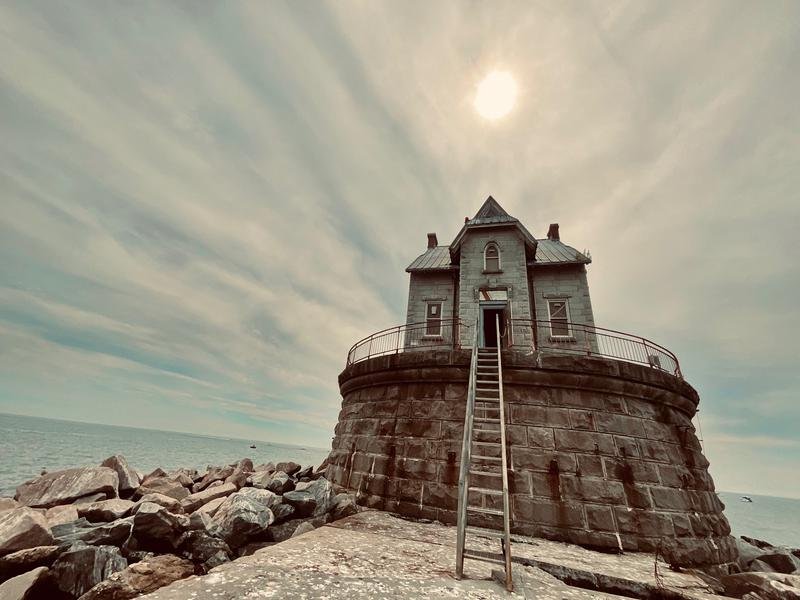
The rhythmic flash of a distant lighthouse has captivated the human imagination for centuries, a steadfast promise of safe passage through treacherous waters. These iconic sentinels, standing guard along our coasts, are far more than mere navigation aids; they are monumental testaments to human ingenuity, resilience, and the rich tapestry of America's seafaring past. Diving into the world of lighthouses and maritime heritage isn't just about history; it's about understanding the challenges of the sea, the evolution of technology, and the enduring spirit of those who built and maintained these vital beacons.
At a Glance
- More than just lights: Lighthouses embody centuries of engineering, sacrifice, and cultural history.
- Diverse designs: From wooden 'Bug Lights' to majestic stone towers, each structure tells a unique story of its environment and era.
- Boston Harbor's rich legacy: Discover a hub of innovation, from early beacons to sophisticated range lights and lightships.
- Preservation in action: Learn about ongoing efforts to restore and protect these national treasures for future generations.
- How to experience them: Many lighthouses are open for tours, climbing, and offer stunning exhibits on maritime life.
The Enduring Beacon: Why Lighthouses Still Shine
Before GPS and advanced radar, the light beaming from a lighthouse was often a mariner's only hope, a solitary star guiding them safely to port or warning them away from deadly shoals. These structures represent a critical chapter in maritime history, dictating trade routes, influencing coastal development, and often being the difference between life and death for countless sailors. The very phrase "Lighthouses & Maritime Heritage" conjures images of storms, heroic keepers, and the relentless march of technological progress.
America's lighthouses, in particular, are steeped in tales of perseverance. They mark the treacherous spots, the narrow channels, and the bustling entrances to our nation's most vital harbors. Consider the challenging environment often faced by these structures: standing against relentless winds, powerful waves, and the constant threat of erosion. Each lighthouse project was a monumental undertaking, pushing the boundaries of construction and engineering for its time.
Architectural Wonders & Engineering Feats
Lighthouses come in an astounding array of shapes, sizes, and materials, each design a direct response to the unique challenges of its location. From towering stone structures on solid ground to intricate offshore designs, they are marvels of adaptability.
Take, for instance, the fascinating story of Boston Harbor's early aids to navigation. The Narrows Channel, a critical gateway, was once guarded by the Narrows Light, a distinctly unusual structure. Designed by Harrison Loring, this wooden hexagonal tower, perched 35 feet above the water on seven iron stilts at the end of the Great Brewster Spit, earned the whimsical nickname 'Bug Light' due to its insect-like appearance. It's a perfect example of how engineering responded to specific site conditions – a light needed where solid foundations were scarce.
Equally challenging were natural hazards like The Graves, a series of rocky outcroppings approximately 11 miles from Boston in the outer northeast Boston Harbor. Sitting just 15 feet above sea level at high tide, these rocks posed a severe danger to ships. Such treacherous spots demanded not just a light, but a robust structure capable of withstanding the full force of the open ocean. The engineering required to build and maintain lighthouses in such exposed locations pushed the limits of available technology, often employing innovative construction techniques like caissons and cribs to secure foundations in shifting sands or pounding surf.
Guardians of the Coast: A Look at Iconic Beacons
Across the American coastline, specific lighthouses stand as enduring symbols, each with its own compelling story of service, change, and sometimes, struggle against the elements.
Boston Harbor's Sentinels: A Cradle of Navigation
Boston Harbor, one of America's oldest and most historically significant ports, boasts a rich tapestry of navigational aids, showcasing the evolution of lighthouse technology and strategy.
- Boston Light: Standing proudly since 1715, Boston Light holds the distinction of being the oldest lighthouse in the United States. It has been an integral and unwavering beacon for Boston Harbor for centuries, guiding countless vessels through its challenging entrance. Its longevity speaks volumes about its strategic importance and robust construction.
- Range Lights & Auxiliary Beacons: As shipping traffic increased and channels shifted, more precise guidance became necessary. The Spectacle Island Range Lights, two tapered octagonal wooden towers, were completed on northeast Spectacle Island in 1897. Though discontinued in 1913, their brief life highlights the need for specific alignment aids. Similarly, the Broad Sound Channel Inner Range Lights, though no longer present today, were crucial in guiding ships through the newly opened Broad Sound Channel from 1903, demonstrating a responsive approach to infrastructure development. Boston Auxiliary Light, which began operation in 1890, marked the first range light specifically placed on a Boston Harbor Island, further enhancing precision navigation.
- Beyond Land-Based Towers: Not every crucial point could accommodate a fixed lighthouse. In such cases, lightships became indispensable. The Boston Lightship served as a vital navigational aid, anchored 6.25 miles southeast of Boston Light in 84-feet deep water – a location where building a traditional lighthouse was simply unfeasible. These floating beacons performed the same critical function, adapted to their challenging environment.
- Supporting Infrastructure: The network of maritime aids extended beyond just lights. In 1874, the U.S. Lighthouse Board established a buoy station on the west side of Lovells Island. While this station closed in 1912, the remnants of its wharf still exist today, a quiet reminder of the logistical support necessary for a bustling harbor.
Chesapeake Bay's Guiding Lights: History on the Water
The Chesapeake Bay, with its vast waters and numerous inlets, has its own unique collection of lighthouses, many of which offer immersive historical experiences.
- Thomas Point Shoal Lighthouse: A true icon of the Chesapeake, the Thomas Point Shoal Lighthouse is a beautifully restored National Historic Landmark. This screw-pile lighthouse, standing offshore, offers fascinating exhibits and breathtaking views, accessible only by boat. Visiting it provides a firsthand glimpse into the isolated life of a lighthouse keeper.
- Concord Point Lighthouse: Adjacent to the Susquehanna River mouth into the Chesapeake Bay, the Concord Point Lighthouse in Havre de Grace, Maryland, holds the distinction of being Maryland's second oldest lighthouse. It stands today as a beacon not just for navigation, but for regional tourism and history, inviting visitors to explore its past and enjoy its scenic surroundings.
North Carolina's Majestic Towers: A Legacy of the Outer Banks
North Carolina's Outer Banks are synonymous with grand lighthouses, standing as powerful sentinels against the Atlantic's might. Many of these continue to be active aids and popular tourist attractions, though age brings its own challenges.
- Bodie Island and Cape Hatteras: This year, the Bodie Island Lighthouse is open for climbing from April 27 through early fall, offering unparalleled panoramic views. Nearby, a limited climbing season at Cape Hatteras Lighthouse may also occur this summer, with dates pending. Cape Hatteras National Seashore thoughtfully provides multiple ways to visit Bodie Island, Cape Hatteras, and Ocracoke lighthouses, encouraging exploration of this rich maritime landscape. In a significant celebration of history, December 16, 2020, marked the 150th anniversaries of both the Cape Hatteras Lighthouse and Dare County, celebrated virtually with partners. If you're planning a trip to explore these iconic structures, you might want to Explore the Cape hub for comprehensive visitor information and historical context.
- Cape Lookout Lighthouse: Over 160 years old, the majestic Cape Lookout Lighthouse is currently facing serious structural concerns. Issues with its stairwell, watch room, gallery walk, and lantern room mean it will not be open for public climbing this season. This situation underscores the immense challenges and significant investment required to preserve these historic structures against the relentless wear of time and weather. Despite the climbing restriction, its presence remains a powerful symbol of the Outer Banks. It celebrated its 160th anniversary on November 1, 2019, with a free climbing day offered by Cape Lookout National Seashore, a testament to its enduring public appeal.
Pacific & Gulf Coasts: Stories of Resilience and Renewal
From the dramatic cliffs of California to the warm waters of the Florida Keys, lighthouses on other coasts tell equally compelling stories of their unique environments and the continuous efforts to preserve them.
- Point Reyes Lighthouse: Perched at the very edge of the continent, the Point Reyes Lighthouse in California offers a dramatic vista. This 150-year-old marvel celebrated its anniversary with history, stories, a virtual tour, and songs. Its dramatic location often necessitates careful planning for visitors, with a Winter Shuttle Bus System for Point Reyes Headlands commencing on December 28, 2019, for easier access. A fifteen-month rehabilitation project on the lighthouse was completed by Point Reyes National Seashore, reopening it on November 8, 2019, and its 149th anniversary was celebrated on December 1, 2019, with extended hours and evening walks. These efforts highlight the ongoing dedication required to maintain such a significant and remote landmark.
- Tortugas Harbor Lighthouse: Deep in the Gulf of Mexico, on Fort Jefferson, the 144-year-old Tortugas Harbor Lighthouse commenced a significant $4.5 million restoration project on October 19. This massive undertaking aims to preserve this historic structure for over a century, ensuring its stories continue for generations.
- Bass Harbor Head Light Station: A shining example of historic preservation in action, the 1858 Bass Harbor Head Light Station in Maine was transferred on July 8, 2020, from the U.S. Coast Guard to Acadia National Park at no expense, under the National Historic Lighthouse Preservation Act of 2000. It now stands as one of three light stations within Acadia National Park, alongside the Baker Island and Bear Island lights, ensuring its future as a publicly accessible and protected resource. This transfer exemplifies the commitment to safeguarding these structures and integrating them into broader national park experiences.
Beyond the Light: The Broader Maritime Heritage
Lighthouses don't exist in a vacuum. Their history is intertwined with the larger narrative of maritime heritage, encompassing everything from the vessels they guided to the organizations dedicated to their upkeep.
- The U.S. Lighthouse Board: For much of American history, the U.S. Lighthouse Board was the administrative body responsible for the construction, maintenance, and operation of all lighthouses, lightships, buoys, and other aids to navigation. Its meticulous records and engineering prowess shaped the coastal landscape. Understanding the Board's role provides crucial context for how these critical networks were established and maintained.
- Evolution of Navigational Aids: As technology advanced, so did the tools of navigation. From the simple wood fires of early beacons to sophisticated Fresnel lenses, and then to the introduction of lightships and a complex network of buoys, maritime heritage is a story of continuous innovation. Each innovation, like the buoy station on Lovells Island or the Boston Lightship, filled a specific need that traditional lighthouses couldn't meet.
- The National Historic Lighthouse Preservation Act of 2000: Recognizing the historical and cultural significance of lighthouses, this landmark legislation allows for the transfer of historic light stations, often no longer needed by the Coast Guard, to suitable public or non-profit entities. The transfer of the Bass Harbor Head Light Station to Acadia National Park is a direct result of this Act, ensuring these treasures are preserved and made accessible to the public. This act is crucial for saving lighthouses that might otherwise fall into disrepair or be lost.
- The Maritime Heritage Program: This vital program actively fosters awareness and appreciation of the historical roles our waterways have played. Through expert staff and assistance, it focuses on preserving and interpreting historic maritime resources, from lighthouses to shipwrecks, ensuring that the stories of our seafaring past continue to resonate.
Visiting and Preserving Our Maritime Past
Today, many lighthouses are open to the public, offering unique opportunities to connect with history and experience breathtaking views. Visiting these sites isn't just a leisure activity; it's a way to support their ongoing preservation.
When planning a visit, check specific lighthouse websites for details on climbing seasons and tours, as these can vary significantly (e.g., Bodie Island open spring to fall, Cape Lookout closed due to structural concerns). Many sites, like the Thomas Point Shoal Lighthouse, offer exhibits and views that illuminate the lives of keepers and the engineering behind the structures. You'll often find educational displays, artifact collections, and even opportunities to interact with park rangers or volunteers who share fascinating insights.
Understanding conservation efforts is key to appreciating these landmarks. The ongoing $4.5 million restoration project at the Tortugas Harbor Lighthouse, or the extensive rehabilitation of the Point Reyes Lighthouse, are not just repairs; they are commitments to extending the life of these structures for generations. By visiting, volunteering, or donating to lighthouse preservation societies, you play a direct role in keeping these flames of history alive. These efforts often involve painstaking historical research, specialized craftsmen, and significant fundraising, highlighting the community-wide commitment to maritime heritage.
Frequently Asked Questions About Lighthouses
Why are lighthouses important today if we have modern navigation?
While modern GPS and radar have reduced reliance on lighthouses for primary navigation, they remain important for several reasons. Many active lighthouses still serve as crucial visual aids, especially in challenging weather conditions or for recreational boaters. More broadly, their cultural and historical significance is immense. They serve as tangible links to our past, powerful symbols of resilience, and vital educational resources that teach us about maritime history, engineering, and the environment. They contribute significantly to local tourism and identity.
What exactly is a lightship?
A lightship is essentially a floating lighthouse. These specially constructed vessels were anchored in strategic locations where it was impractical or impossible to build a stationary lighthouse, such as in deep offshore waters or on shifting sandbars. They served the same purpose as traditional lighthouses, providing a continuous light and often a fog signal. The Boston Lightship is a prime example of their critical role before technology allowed for deepwater offshore fixed structures.
How are lighthouses preserved for future generations?
Lighthouse preservation is a multi-faceted effort. It involves government agencies (like the National Park Service and Coast Guard), non-profit organizations, and dedicated volunteers. Preservation often includes structural repairs (as seen with Cape Lookout or Tortugas Harbor), historical research, artifact conservation, and educational programming. Legislation like the National Historic Lighthouse Preservation Act helps transfer ownership to entities committed to their long-term care. Public visits, donations, and advocacy also play a crucial role in funding and supporting these extensive preservation activities.
Your Role in Keeping the Flame Alive
The stories woven into America's lighthouses and maritime heritage are far too valuable to fade into obscurity. From the innovative design of 'Bug Light' to the enduring vigilance of Boston Light, these structures offer profound insights into our past and continue to inspire us with their steadfast presence.
Whether you're planning a visit to climb a historic tower, exploring a coastal museum, or simply learning about the incredible engineering feats required to build them, engaging with our maritime heritage enriches your understanding of America's journey. These beacons, though some now automated or retired from primary navigation, continue to shine brightly as monuments to human endeavor, reminding us of the intricate relationship between people and the sea. By supporting preservation efforts, visiting these sites, and sharing their stories, you become a part of their ongoing legacy, ensuring that the light of our maritime past continues to guide future generations.