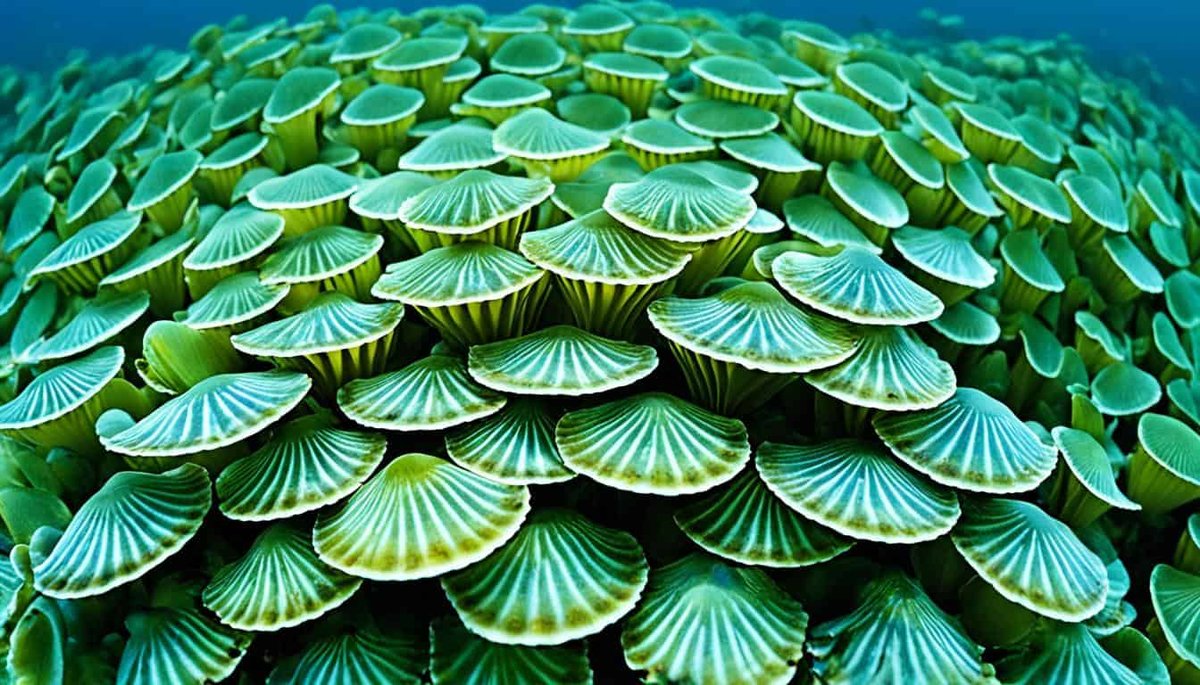
Imagine a world pulsating with life, a realm of unfathomable beauty and profound mystery, hidden beneath shimmering surfaces. This is the world of Marine Ecosystems & Wildlife, an intricate web of life within Earth’s saltwater environments that influences everything from the air we breathe to the climate patterns shaping our planet. From microscopic plankton drifting in sunlit waters to colossal whales navigating the deep, these interconnected communities are not just captivating; they are absolutely vital to our existence.
Understanding the health of our oceans isn't just a scientific pursuit; it's a critical imperative for every person on Earth. These vast watery expanses are the original cradle of life, regulating global temperatures, providing essential resources, and harboring an unparalleled diversity of species. But they face unprecedented challenges, and their future, much like our own, depends on our collective action.
At a Glance: Why Marine Ecosystems Matter
- Climate Regulation: Oceans absorb immense heat and carbon dioxide, acting as Earth’s thermostat.
- Biodiversity Hotspots: They host an incredible array of life, from tiny microbes to the largest animals.
- Essential Resources: Oceans provide food, medicine, and livelihoods for billions.
- Oxygen Production: Phytoplankton produce more than half of the oxygen we breathe.
- Coastal Protection: Habitats like mangroves and coral reefs shield coastlines from storms.
- Under Threat: Climate change, pollution, overfishing, and habitat destruction are pushing marine life to its limits.
- Hope Through Action: Global cooperation, individual choices, and innovative technologies offer pathways to recovery.
The Ocean's Beating Heart: What Are Marine Ecosystems?
At its core, a marine ecosystem is a community of living organisms – plants, animals, and microorganisms – interacting with their non-living physical and chemical environment within saltwater. Think of it as an aquatic city, where every inhabitant and every structural element, from the water itself to the seafloor, plays a role.
These environments are defined by several key characteristics: salinity (it's saltwater, after all), water depth, temperature, and the type of substrate (rock, sand, mud). These factors dramatically influence where marine life can thrive and in what abundance, leading to an astonishing array of specialized habitats, each with its own unique residents and dynamics. Understanding these foundational elements is your first step to appreciating the immense complexity and value of our blue planet.
Dive In: Exploring the Ocean's Diverse Habitats
Just like on land, marine ecosystems come in countless forms, each supporting a unique collection of species adapted to its specific conditions. Let's take a journey through some of the ocean's most iconic and vital neighborhoods.
Coastal Marvels: Where Land Meets Sea
The dynamic zone where the ocean interacts with land is a hive of activity and incredibly productive. These coastal environments are often subjected to the most intense human activity, making their protection especially crucial.
- Estuaries: Picture a bustling nursery for marine life. Estuaries are semi-enclosed bodies of water where freshwater rivers meet the salty ocean. This creates a fascinating environment with fluctuating salinity, rich nutrient input from rivers, and calm waters. Many fish, crustaceans, and mollusk species start their lives here, finding shelter and abundant food before venturing into the open ocean.
- Mangrove Forests: These aren't just pretty trees; they're the ultimate coastal engineers in tropical and subtropical regions. Mangroves are salt-tolerant trees that grow in dense, sprawling forests, their intricate root systems providing critical habitat for fish, birds, and invertebrates. Beyond their role as biodiversity hotspots, they protect coastlines from erosion and storm surges, and even filter pollutants from land runoff.
- Salt Marshes: In temperate zones, salt marshes take on a similar vital role. Dominated by salt-tolerant grasses, these coastal wetlands are natural storm buffers, absorbing excess water and reducing wave energy. They also act as powerful nutrient absorbers and significant carbon sequesters, locking away carbon that would otherwise contribute to climate change.
- Coral Reefs: Often called the "rainforests of the sea," coral reefs are perhaps the most famous and visually stunning marine ecosystems. Built over millennia by tiny coral polyps secreting calcium carbonate skeletons, they are incredibly diverse and productive, supporting a quarter of all marine species. These vibrant underwater cities provide food security for millions, protect coastlines, generate tourism revenue, and even offer potential sources for new medicines. However, they are exquisitely sensitive to changes in water temperature and the increasingly urgent problem of ocean acidification, which we'll discuss later. If you want to dive deeper into cutting-edge coral reef restoration techniques, there's a lot of exciting work happening.
- Sandy Beaches and Rocky Shores: These familiar coastal landscapes are more than just recreational spots. Shaped by the relentless action of waves and tides, they host specialized organisms adapted to extreme conditions – from burrowing crabs on sandy beaches to barnacles and mussels clinging tenaciously to rocky outcrops.
The Vast Pelagic Realm: The Open Ocean
Beyond the coastlines lies the immense, blue expanse of the open ocean, known as the pelagic zone. This vast environment holds its own wonders and hidden depths.
- Surface Waters: This sun-drenched upper layer is where life truly begins in the open ocean. Here, microscopic algae called phytoplankton float freely, harnessing sunlight through photosynthesis. They form the absolute base of the marine food web, tiny powerhouses that feed everything from zooplankton to massive whales. Crucially, phytoplankton also produce a significant portion of the oxygen in our atmosphere – literally, every second breath you take likely comes from the ocean.
- Deep Sea: Plunge beyond the reach of sunlight, and you enter a world of perpetual darkness, bone-chilling cold, and immense pressure. Yet, life thrives here, adapted to these extreme conditions. Many deep-sea organisms rely on "marine snow" – detritus drifting down from the surface – but others have evolved fascinating adaptations, including bioluminescence or reliance on chemosynthesis, drawing energy from chemical reactions rather than sunlight.
Unique Underwater Worlds: Specialized Environments
Some marine ecosystems defy easy categorization, representing truly unique adaptations and geological formations.
- Hydrothermal Vents: Imagine underwater geysers, spewing superheated, chemical-rich fluids from Earth's interior. These incredible vents support unique chemosynthetic ecosystems, where bacteria use the released chemicals (like hydrogen sulfide) as an energy source, forming the base of a food web that includes giant tube worms, blind shrimp, and unique mollusks, all thriving in an environment previously thought impossible for life.
- Kelp Forests: In cold, nutrient-rich waters, vast underwater forests of large brown algae called kelp sway with the currents. These towering plants provide complex three-dimensional habitats, offering food, shelter, and nurseries for countless fish, invertebrates, and marine mammals like sea otters.
- Seagrass Beds: These aren't algae; they're actual flowering plants that grow in shallow, sheltered coastal waters, forming lush underwater meadows. Seagrass beds are critical habitats, providing food and shelter for countless species, from tiny crustaceans to sea turtles. They also play a vital role in stabilizing sediments, improving water quality, and absorbing carbon dioxide.
The Unseen Orchestrators: Biodiversity and Ocean Currents
Understanding the ocean requires looking beyond individual species or habitats to grasp the fundamental forces that shape marine life.
Web of Life: Marine Biodiversity Explained
Marine biodiversity refers to the incredible variety of life forms found in the oceans, from genes to species to entire ecosystems. This vast array isn't random; it's influenced by environmental factors like temperature, salinity, and nutrient availability.
Tropical regions, especially coral reefs, are renowned for their high species richness, teeming with colorful fish and invertebrates. In contrast, polar regions and the deep sea, though less overtly diverse, harbor unique species with extraordinary adaptations to extreme cold or pressure. Each species, no matter how small, plays a specific and often irreplaceable role in the food web, nutrient cycling, and even the physical formation of habitats. Lose one piece, and the entire system can wobble.
Ocean's Highways: The Power of Currents
Oceanic currents are the unsung heroes of marine ecosystems, acting as vast "highways of the sea." Driven by a combination of wind, water density (influenced by temperature and salinity), and Earth's rotation, these currents are global conveyors, regulating temperature across the planet.
They also play a crucial role in distributing nutrients through processes like upwellings, where cold, nutrient-rich water from the deep rises to the surface, fueling phytoplankton blooms and supporting some of the world's most productive fisheries. Beyond their impact on marine life, currents influence global weather patterns and transport immense amounts of CO2 into the deep ocean, making them central players in climate regulation.
Under Threat: The Major Challenges Facing Our Oceans
Despite their resilience and immense size, marine ecosystems are under unprecedented stress from human activities. These threats are interconnected and accelerating, demanding urgent and coordinated global action.
A Warming World, An Acidifying Ocean: Climate Change's Grip
Climate change stands as the single biggest threat to marine ecosystems. The ocean absorbs over 90% of the excess heat generated by human greenhouse gas emissions, leading to rising ocean temperatures. This warmth triggers widespread coral bleaching events, where corals expel the symbiotic algae they rely on, often leading to their death. Warmer waters also disrupt food webs, alter species distributions, and impact the reproductive cycles of many marine animals.
Simultaneously, the ocean absorbs a significant portion of the CO2 from the atmosphere, leading to ocean acidification. This process lowers the pH of seawater, making it more acidic. This change directly impacts organisms that build shells and skeletons from calcium carbonate, such as corals, oysters, clams, and pteropods (sea snails that are a key food source for many species). Their ability to form and maintain these structures is compromised, threatening entire food chains. To truly grasp the devastating impacts of ocean acidification, it's essential to understand the chemistry behind it. Sea-level rise, another consequence of a warming climate, threatens vital coastal habitats like mangroves and salt marshes.
Choking Our Seas: The Pollution Problem
Our oceans are becoming a dumping ground, with harmful substances entering marine environments from myriad sources.
- Plastic Pollution: This is perhaps the most visible and pervasive form of pollution. From massive derelict fishing gear to tiny microplastics, plastic debris causes ingestion, entanglement, and death for countless marine animals. Microplastics, tiny fragments less than 5mm in size, are particularly insidious, entering the food chain at its lowest levels and accumulating in the tissues of organisms, eventually affecting predators, including humans. We need concerted global efforts to address the global plastic pollution crisis.
- Chemical Pollutants: Industrial discharge, agricultural runoff (pesticides, fertilizers), and oil spills introduce a cocktail of harmful chemicals into the marine environment. These pollutants can directly poison marine life or accumulate in the food web through processes like bioaccumulation (building up in an individual organism) and biomagnification (increasing concentrations at higher trophic levels), ultimately affecting top predators and human consumers.
- Sewage and Nutrient Runoff: Untreated sewage and excess nutrients from agricultural fertilizers can cause algal blooms, which deplete oxygen in the water when they decompose, creating "dead zones" where most marine life cannot survive.
Emptying the Nets: The Crisis of Overfishing
Overfishing, the practice of catching fish faster than they can reproduce, is depleting fish populations at an alarming rate. This not only threatens livelihoods and food security but also dramatically disrupts marine food webs, leading to ecosystem collapse and biodiversity loss.
Destructive fishing practices, such as bottom trawling, physically destroy sensitive habitats like coral reefs and seagrass beds, leaving barren expanses behind. Bycatch, the accidental capture of non-target species like dolphins, sea turtles, and seabirds, further exacerbates the problem. The urgency to adopt sustainable fishing practices has never been greater.
Paving Over Paradise: Habitat Destruction
Direct physical damage to marine environments is another critical threat. Coastal development – for resorts, housing, and infrastructure – often involves dredging, filling, and altering natural shorelines, destroying crucial habitats like mangroves, salt marshes, and seagrass beds. Destructive fishing practices, as mentioned, also fall into this category, leaving behind a wake of devastation.
Guardians of the Deep: Key Species and Their Roles
Every organism in the ocean plays a role, but some are particularly fundamental or impactful, acting as the structural supports and crucial connectors of the marine web of life.
- Plankton: The Invisible Foundation: These tiny drifters are the foundation of nearly all marine food webs.
- Phytoplankton (microscopic algae) are the primary producers, converting sunlight into energy. They are the "grass" of the ocean, directly feeding zooplankton and indirectly supporting virtually all other marine life. And don't forget, they produce half the world's oxygen!
- Zooplankton (tiny animals and larvae) graze on phytoplankton, transferring that crucial energy up the food chain to small fish, invertebrates, and even large baleen whales.
- Apex Predators: Maintaining Balance: Species like sharks, orcas, and large tuna sit at the top of the food chain. Far from being mere hunters, they are essential for maintaining ecosystem balance by controlling the populations of lower trophic levels. Without them, prey species can overpopulate, overgraze, and degrade habitats, leading to cascading effects throughout the entire ecosystem.
- Keystone Species: Disproportionate Impact: A keystone species is one whose presence (or absence) has a disproportionately large impact on its ecosystem, much like the keystone in an arch. Sea otters, for example, are keystone species in kelp forests; by preying on sea urchins, they prevent the urchins from overgrazing and destroying the kelp. Without otters, kelp forests can disappear, leading to a massive loss of biodiversity. Similarly, certain species of starfish can regulate mussel populations, allowing other species to thrive on rocky shores.
Charting a Course for Hope: Practical Conservation & Solutions
While the challenges are immense, there is significant hope. Scientists, governments, and individuals around the world are developing and implementing innovative solutions to protect and restore our marine ecosystems.
Strategic Sanctuaries: The Promise of Marine Protected Areas
One of the most effective tools for marine conservation is the establishment of Marine Protected Areas (MPAs). These are designated ocean areas where human activities are managed or restricted to protect marine life and habitats. MPAs serve multiple critical functions:
- Conserving Biodiversity: They provide safe havens for threatened species and allow ecosystems to recover.
- Managing Fisheries: By allowing fish stocks to replenish within protected zones, MPAs can actually boost fish populations in surrounding fishing grounds.
- Promoting Sustainable Tourism: Well-managed MPAs can attract eco-tourism, providing economic benefits to local communities while fostering appreciation for marine environments.
The expansion and effective management of MPAs, especially "no-take" zones where all extractive activities are prohibited, are key to ensuring the long-term health of our oceans. You can explore the full benefits of Marine Protected Areas and their role in a sustainable future.
Your Role in Ocean Health: What You Can Do
Individual actions, collectively, create powerful waves of change. You don't need to be a marine biologist to make a difference:
- Reduce Your Carbon Footprint: Since climate change is the biggest threat, reducing your energy consumption, choosing renewable energy, and opting for sustainable transportation directly benefits the oceans.
- Avoid Single-Use Plastics: Carry reusable bags, water bottles, and coffee cups. Say no to plastic straws. Support businesses committed to plastic-free alternatives.
- Support Sustainable Seafood: Choose seafood caught or farmed in ways that don't harm the environment or deplete fish stocks. Look for certifications like the Marine Stewardship Council (MSC) label.
- Participate in Beach Cleanups: Join local efforts to remove litter from coastlines, preventing it from entering the ocean.
- Advocate and Educate: Speak up for stronger environmental policies, support organizations working on ocean conservation, and share your knowledge with friends and family.
- Be a Responsible Tourist: When visiting coastal areas, choose eco-friendly operators, respect wildlife, and do not disturb habitats.
Innovation on the Horizon: Tech Solutions for Ocean Recovery
Technology is rapidly advancing, offering new tools and approaches to monitor, protect, and even restore marine ecosystems:
- Advanced DNA Sequencing: "Environmental DNA" (eDNA) allows scientists to detect the presence of species simply by sampling water, revolutionizing biodiversity monitoring in hard-to-reach areas.
- Satellite Tracking: Tagging marine animals and tracking them via satellite provides invaluable data on migration patterns, habitat use, and the impacts of human activities.
- Biodegradable Plastics & Alternative Materials: Research and development into truly biodegradable and ocean-safe plastics, as well as alternative packaging materials, are crucial to stemming the tide of plastic pollution.
- Coral Reef Restoration: Techniques like coral gardening (growing corals in nurseries and transplanting them to damaged reefs) and even 3D-printed coral structures are showing promise in helping reefs recover.
- AI and Big Data: Artificial intelligence is being used to analyze vast amounts of ocean data, from satellite imagery to acoustic recordings, helping scientists predict ecosystem changes, track illegal fishing, and optimize conservation efforts.
Looking Ahead: Securing a Future for Marine Life and Humanity
Our journey through marine ecosystems reveals a world of astonishing beauty, vital functions, and profound vulnerability. The health of these environments isn't a niche concern for scientists or activists; it's a foundational pillar of global climate stability, food security, and human well-being. The challenges – from the warming and acidifying waters to the deluge of plastic and the relentless pressure of overfishing – are daunting, but not insurmountable.
Addressing these threats requires a truly global effort. It calls for robust international agreements, innovative scientific research, and dedicated government policies that prioritize ocean health. But just as crucially, it demands a shift in individual mindset and behavior. Every choice we make, from the products we buy to the policies we support, echoes through the ocean's depths.
By embracing sustainable practices, supporting responsible policies, and championing innovative technologies, we can move from being passive observers to active stewards of our marine world. The future of Marine Ecosystems & Wildlife, and by extension, our own, rests on our collective commitment to protect this magnificent, life-sustaining blue heart of our planet. The time to act is now. Discover the Haijiao hub for more insights into global environmental efforts.